Grills, Generators, and GoPros: The Parking Lot Is America's New Broadcast Booth
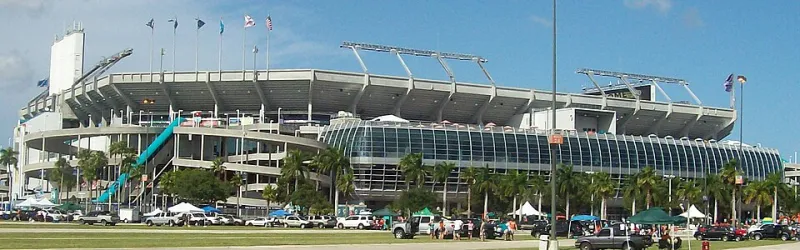
Photo: User:AdamFirst, Public domain, via Wikimedia Commons
At 7:45 on a November Sunday, the parking lot outside a college stadium is already a broadcast studio. A generator hums. A grill sends smoke across the asphalt. Someone has a phone on a gimbal, a backup battery in a hoodie pocket, and a stream title that reads like a block party invitation. The chat is full of people who are not there: alumni in other time zones, neighbors still in bed, fans stuck at home with a slow cooker and a second screen.
This is tailgate streaming. It is not ESPN's pregame show. It is not a polished studio panel. It is a live feed from Lot C, and for the people who care about that lot, it is the most relevant thing on the internet.
Kickoff starts hours early
Tailgating is an old American ritual. Streaming is a newer one. Put them together and you get a format that makes perfect sense: the parking lot is already a performance. People decorate, cook, chant, argue about the depth chart, and wait. The stream just points a camera at it.
College towns and NFL cities have their own rhythms. In Tuscaloosa, Ann Arbor, Baton Rouge, and Columbus, the lots fill early and the crowds are dense. In Buffalo, Kansas City, and Green Bay, the weather is part of the show. A tailgate stream does not need a highlight package. The anticipation is the content. The smell of onions, the cornhole game, the guy who has been coming to the same spot for 20 years, the kid seeing the stadium for the first time. Live entertainment is often about being present. Tailgate streams are present before the event even starts.
The local feed
What makes these streams work is not national reach. It is local knowledge. A creator who knows the lot can tell you which entrance is moving, which grill has the best brisket, and which fan group is about to start a chant. That is not information you get from a national pregame show. It is information you get from someone who is there.
A stream from a stadium lot can outdraw a polished studio show for the people who care about that lot. The audience is small but specific: alumni, locals, fantasy football players, people who moved away and miss the ritual. Chat becomes a town square. Regulars greet each other. Someone asks about a parking pass. Someone else posts a photo from their own grill. The creator is not broadcasting at the crowd. The creator is broadcasting from the crowd.
That is the new town square part. Americans have always gathered in parking lots before games. The stream just makes the gathering visible to people who cannot be there in person.
Teams and sponsors pull into the lot
For years, teams treated the parking lot as a necessary inconvenience: traffic control, trash pickup, maybe a fan zone if there was budget. In 2026, some teams are looking at the lot differently. It is prime real-time entertainment. It is a place where fans are already spending hours, already wearing team colors, already generating content.
Sponsors are following. A local dealership wants a live read before kickoff. A grill brand wants a creator to cook something on camera. A beverage company wants product placement that feels like a tailgate, not a commercial. Insurance companies and phone carriers like the local angle. The pitch is simple: you are reaching fans in the exact mood you want them in, hours before the game, with time to spare.
Some teams now credential tailgate creators or set up official stream zones. Others stay hands-off and let the lot organize itself. Both approaches can work. The risk is overproducing it. A tailgate stream that feels like a sponsor activation with a grill in the background is not a tailgate stream. It is an ad with smoke.
The rules of the lot
The best tailgate streams follow an unwritten code. Ask before putting someone on camera. Respect security and fire lanes. Do not block the aisle with a tripod. Bring a wind muff for the microphone, a backup battery, and a hotspot that actually works. Audio matters more than video. If people cannot hear the chant, the sizzle, and the laughter, the stream is just a shaky window.
And keep the vibe right. The lot is not a studio. It is a shared space. The creators who thrive are the ones who act like guests at a good party, not hosts of a broadcast. They introduce people, they share food, they let the stream breathe. The camera is not the point. The gathering is the point.
More than a pregame
Tailgate streaming is not going to replace the game. It is not supposed to. It is a pregame, a postgame, a place to gather before the gathering. But that is exactly why it matters. Live entertainment is at its best when it captures something that is already happening. The parking lot was already full of characters, rituals, and stories. The stream just turned on the lights.
For PIF Live, that is the takeaway. The future of live content is not always a studio. Sometimes it is a generator, a grill, and a phone pointed at the best party in town.